Safety is our Top Priority
Here at Integrity Driver Training, safety is our top priority. It’s as simple as that.
Safety to us is about more than just how we drive the car, but also how we are managing the emotions of high pressure situations that can happen on the road.
Our Top 10 Safety Tips
To help keep safety at the forefront of our minds, we’ve put together a list of our top safety priorities that everyone on the road should be familiar with practicing every day.
Tip #1 – Keeping your Calm
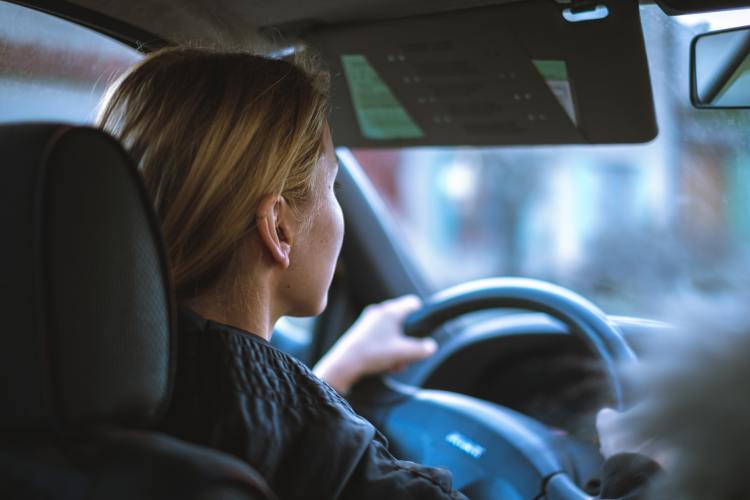
Being able to manage those emotions when the pressure builds is critical to you being safe on the road. Whether it be busy traffic, impatient drivers, you’re running late for an appointment, or feeling flustered when lost; you need to be able to take a breath, remember your driver training, and stay calm.
Tip #2 – Make sure you know the road rules
There are many drivers on the road, and not all of them actually know the rules. It may seem like second nature once you’ve been driving for a while, but sometimes it’s more complicated than that. For example, can you cross a solid line, painted island to get into a turning lane if it’s busy? Or do you need to wait for pedestrians when turning into a side street?
Tip #3 – Other driver awareness
Following on from the first two points is really a combination of the two. It’s imperative that you know when to “pick your battles”. At times, other drivers may think they know the rules (or simply not follow them), which may put you in a sticky situation. Making sure you manage your emotions and actions at this time is critical to your safety, their safety and those around you on and off the road.
Tip #4 – That message on your phone isn’t worth it
Did you know that the risk of crashing increases by 15 times when texting while driving? No matter what that message is, it’s simply not worth it. Not only does this put you and those around you in potentially life threatening harm. If you have connections to Android Auto or Apple Carplay, you can set these up to read out texts as they come through. Alternatively, accessibility modes can be adjusted to read your texts aloud when travelling. Our recommendation however would be to wait until you are safely parked before checking.
Tip #5 – Watch out for school zones
Sometimes it’s easy to miss a school zone, especially when you regularly travel outside school zone hours. These can catch you off guard if you haven’t been paying attention. You may even find speeds reduced from 70kms or 80kms down to 40, so make sure you keep an eye out whether you’re in the school zone time or not to ensure you and those around you are safe
Tip #6 – Avoid driving when you wouldn’t normally be awake
Driver fatigue can be very serious on the road. It might seem like a good idea to do the bulk of a long trip at night while the traffic is light or even staying somewhere longer than normal, but where possible you should avoid driving at times you would usually be asleep. If you decide to do so, make sure you familiarise yourself with the journey for better navigation in low light.
Tip #7 – Keep your distance
If you’re driving behind a car that’s going slower than the speed limit and slower than you’d like, it can be tempting to drive closer to them to let them know to speed up or if multiple lanes are available, to move over. This may seem like a good idea at the time, but it will dramatically increase your chances of an accident as the car may need to stop suddenly and you won’t have time to apply your breaks. Aside from the damage to your car and the safety of all involved, you could also be at fault of the accident and incur the associated costs.
Tip #8 – Cyclists need room too
Did you know in April 2021, there were updates to the road rules to ensure the safety of cyclists on the road? These updates require drivers to leave 1m between their vehicle and the rider on roads with speed limits up to 60 km/h, and 1.5m on roads with speed limits over 60 km/h.
Tip #9 – It’s harder to see the faster you go
The way our eyes work, we capture 85% of information through our peripheral vision and only 15% through our focused vision. This makes it a lot harder for our brain to take in all the extra information that hits the peripheral vision the faster you go. This illustrates the importance to be aware of your surroundings even more so when going faster.
Tip #10 – Keep your car in good running shape
Taking care of your car, ensuring it is serviced regularly by a profession will not only help the car run more efficiently for longer, but will help you to avoid potentially serious situations on the road. Even if you’re not directly at fault, you can still be liable if you haven’t kept your vehicle in good working order. Examples of this could be worn tyres or break pads.

More Information
Useful links to other websites including VicRoads Safety:
VicRoads
VicRoads – Road Rules
VicRoads – Safety
VicRoads – Road Rules Education
VicRoads – Interstate Learner Drivers Using Victorian Roads
Australian Road Rules – National Transport Commission
RACV – The Most Misunderstood Road Rules in Victoria
Proudly Servicing:
Armstrong Creek, Balliang, Barwon Heads, Batesford, Bell Park, Bell Post Hill, Bellarine, Belmont, Breakwater, Breamlea, Ceres, Charlemont, Clifton Springs, Connewarre, Corio, Curlewis, Drumcondra, Drysdale, East Geelong, Fyansford, Geelong city centre, Geelong West, Grovedale, Hamlyn Heights, Herne Hill, Highton, Indented Head, Lara, Leopold, Little River, Lovely Banks, Manifold Heights, Mannerim, Marcus Hill, Marshall, Moolap, Moorabool, Mount Duneed, Newcomb, Newtown, Norlane, North, Geelong, North Shore, Ocean Grove, Point Lonsdale, Point Wilson, Portarlington, Rippleside, St Albans Park, St Leonards, South Geelong, Staughton Vale, Stonehaven, Swan Bay, Thomson, Wallington, Wandana Heights, Waurn Ponds, Whittington.
Integrity Driver Training supports you through our detailed driving lessons, working toward a driving test to get your driver license. We will work with you to ensure you have the most effective drive lessons at a time that suits you.
 Integrity Driver Training